
Optimizing Product intricate and dynamic as product design, engineering, and prototyping. WB Engineering's Project Management Consulting

Optimizing Product Success with Project Management Consulting

In the competitive product development landscape, achieving a seamless transition from concept to market-ready product demands more than just innovative ideas. It requires a meticulous approach to project management, particularly in fields as intricate and dynamic as product design, engineering, and prototyping. WB Engineering’s Project Management Consulting services stand at the forefront of this endeavor, offering a structured pathway to success for businesses aiming to navigate the complexities of product development with authority and efficiency.

Bridging Innovation and Marketability with Product Design and Engineering Services

At the core of WB Engineering’s offerings is a deep-seated expertise in product design and engineering services. Our approach is holistic, blending innovative design with rigorous engineering methodologies to create products that are not only innovative but also viable, durable, and marketable. Our project management consulting role is pivotal in this process. It ensures that each stage of product development, from initial design to engineering, is meticulously planned, executed, and aligned with the overarching project goals and timelines.

Accelerating Development with 3D Printing Services for Prototyping

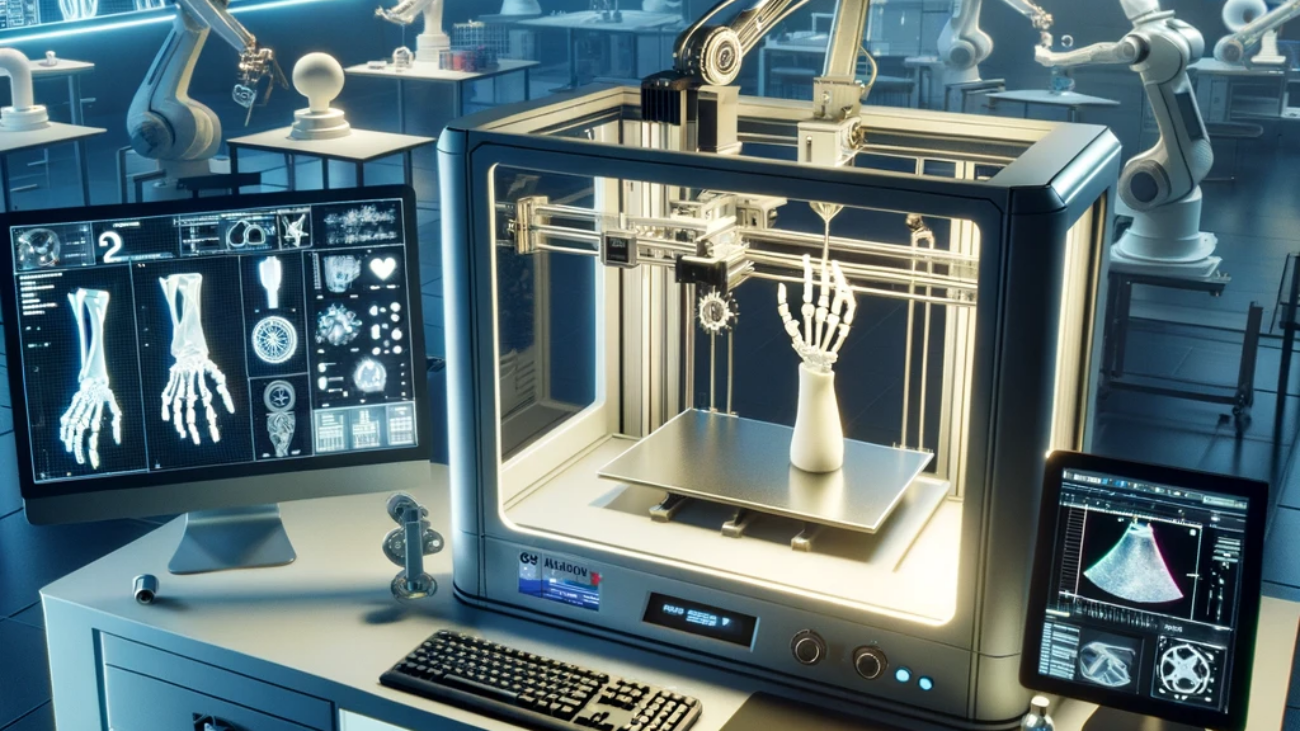
3D Printing Services for prototyping revolutionize how ideas are brought to life, allowing for rapid iteration and refinement of designs. WB Engineering harnesses this cutting-edge technology to accelerate the development process, enabling our clients to test functionalities, assess designs, and gather user feedback much faster than traditional methods allow. Our project management consultants integrate 3D printing seamlessly into the development cycle, ensuring that prototyping contributes effectively to the overall project timeline and budget, reducing time to market and enhancing product quality.

Elevating Consumer Products through Expert Engineering and Design

The consumer market demands functionality, aesthetic appeal, and user-friendly design. Consumer Product Engineering and Design is a critical service that WB Engineering excels in combining market insights with engineering prowess to create products that meet and exceed consumer expectations. Our project management consultants are crucial in steering these projects, coordinating between designers, engineers, and market analysts to ensure that every aspect of the product aligns with consumer needs and preferences.

Why Project Management Consulting is Essential for Your Business

Navigating the intricacies of product development requires more than technical skills; it demands strategic planning, risk management, and agile response to challenges. Our Project Management Consulting services provide businesses with the strategic oversight to ensure projects are completed on time, within budget, and to the desired specifications. We understand that efficiency and effectiveness are paramount in the fast-paced world of product development. Our consultants leverage their expertise to:

  • Identify and mitigate risks before they become issues.
  • Optimize resources to ensure cost-effectiveness without compromising quality.
  • Maintain stringent quality control throughout the development process.
  • Ensure compliance with industry standards and regulations.
  • Facilitate smooth communication between all stakeholders.

Choose WB Engineering for Your Project Management Needs

Choosing WB Engineering means opting for a partner who understands the intricacies of product development and is committed to ensuring your project’s success. Our Project Management Consulting services are designed to navigate the complexities of bringing innovative products to market, ensuring your vision becomes a reality.

Take the Next Step Toward Success

Are you ready to elevate your product development process? Visit www.wb-3d.com to learn more about how our Project Management Consulting services can optimize your projects from concept to commercialization. Let WB Engineering be your guide to success in the challenging yet rewarding world of product development.
Integrating Smart Medical Devices Technologies: Elevating Healthcare with WB Engineering

Integrating Smart Medical Devices Technologies: Elevating Healthcare with WB Engineering

In the dynamic field of medical device technologies, the push towards integrating smart technologies represents a significant shift towards more innovative and effective healthcare solutions. WB Engineering, a premier engineering company based in Miami, Florida, is at the forefront of this revolution, specializing in medical devices design services that leverage the power of Internet of Things (IoT), sensors, and enhanced connectivity. Our commitment to integrating these technologies into medical devices not only marks a pivotal step in healthcare innovation but also underscores our dedication to advancing medical and healthcare solutions in Miami and beyond.

Transformative Benefits of Smart Technologies in Medical Devices

Comprehensive Patient Monitoring: The incorporation of IoT and sensors into medical devices by WB Engineering enables unprecedented levels of patient monitoring. This advanced connectivity in medical devices allows for continuous, real-time data collection, offering insights that facilitate immediate and informed healthcare interventions. This approach revolutionizes patient care, transforming it into a more proactive and predictive model.

Data-Driven Healthcare Decisions: Through the strategic use of connectivity in medical devices, WB Engineering harnesses the power of data analytics to empower healthcare providers. This wealth of data, gathered from smart medical devices, enables precise and personalized patient care plans, enhancing the efficacy of treatments and patient outcomes. The role of data is pivotal, informing every aspect of healthcare solutions developed by our company in Miami.

Operational Efficiency and Cost Savings: The integration of smart technologies into medical devices by WB Engineering not only enhances patient care but also streamlines healthcare operations. These efficiencies are achieved through automation and predictive analytics, reducing the need for manual interventions and lowering the overall cost of healthcare delivery.

Navigating Challenges in Smart Medical Device Integration

Ensuring Data Security and Privacy: In the era of smart medical devices, the security and privacy of patient data are paramount. WB Engineering implements robust security protocols to protect against unauthorized access, ensuring that connectivity in medical devices meets the highest standards of data protection.

Achieving Interoperability Across Systems: The integration of smart technologies into medical devices introduces complexities in ensuring seamless communication between different devices and systems. WB Engineering addresses these interoperability challenges head-on, ensuring that our medical devices design services result in systems that are not only advanced but also compatible with existing healthcare infrastructures.

Maintaining Regulatory Compliance: Navigating the regulatory landscape is critical in the development of smart medical devices. WB Engineering stays abreast of all regulatory requirements, ensuring that our healthcare solutions not only push the envelope in innovation but also adhere strictly to industry standards and regulations.

WB Engineering’s Commitment to Smart Medical Device Innovation

At WB Engineering in Miami, Florida, our expertise in medical devices design services is complemented by our deep knowledge of advanced technologies such as digital prototyping, additive manufacturing, AI, AR, VR, and more. Our dedication to integrating IoT, sensors, and connectivity into medical devices is unwavering, driven by our vision to revolutionize healthcare solutions. By leveraging our comprehensive suite of services, including CAD, CAE, PDM, PLM, FEA, CFD, generative design, 3D printing, 3D scanning, and CNC machining, we are setting new standards in medical device technologies.

The journey of integrating smart technologies into medical devices is filled with opportunities and challenges. Yet, with WB Engineering’s expertise and dedication to innovation in the medical devices design services sector, we are paving the way for a future where smart, interconnected healthcare solutions become the norm, not only in Miami, Florida but globally. Our commitment to excellence and innovation in healthcare solutions is unwavering, as we continue to harness the power of technology to improve patient care and operational efficiencies.

Product design and engineering services in Miami Florida Rapid Prototyping Services Product Development Firms Custom engineering solutions for startups

Product Design and Engineering Excellence with WB Engineering: Unlocking the Future of Your Innovations

In today’s fast-paced world, innovation is not just a key to success; it’s essential for survival. Whether you’re a startup eager to disrupt the market or an established firm aiming to stay ahead, the journey from concept to product can be daunting. That’s where WB Engineering steps in. With our state-of-the-art product design and engineering services, we are your catalyst for transforming ideas into tangible, market-ready innovations.

Rapid Prototyping Services: From Idea to Reality Faster

The speed of development can significantly impact your product’s success. Our rapid prototyping services leverage the latest in additive manufacturing and 3D printing technologies, enabling you to iterate quickly and efficiently. This means that product designs are not only brought to life faster but also allow for critical evaluation and improvement, ensuring that the final product is as close to perfection as possible. Rapid prototyping is more than a step in the process; it’s a strategic advantage, accelerating time-to-market in a way previously unimaginable.

CAD Design and Simulation Services: Precision in Every Detail

At the heart of every successful product is meticulous design and planning. Our CAD design and simulation services employ advanced software tools to create precise, detailed models of your product. These tools allow for comprehensive analysis and testing of product designs under a variety of conditions, reducing the need for physical prototypes and identifying potential issues early in the development cycle. This not only saves time and resources but also ensures that the product is viable, functional, and ready for the rigors of the market.

Sustainable Product Development Firms: Engineering a Greener Future

Sustainability is no longer an option; it’s a necessity. As a leading sustainable product development firm, WB Engineering is committed to creating products that are not only innovative and effective but also environmentally friendly. We integrate eco-friendly materials and processes into our development cycle, aiming to minimize environmental impact without compromising on quality or performance. This approach not only aligns with the growing global demand for green products but also positions your brand as a responsible leader in your industry.

Custom Engineering Solutions for Startups: Tailored for Your Success

Startups are unique. They require flexible, customized solutions that can adapt to rapid changes and scale quickly. We understand these needs and offer custom engineering solutions tailored specifically for startups. From initial concept development to final product manufacturing, our team works closely with you to navigate the challenges of bringing a new product to market. Our expertise in various industries allows us to provide insights and solutions that are not just effective but also innovative and scalable.

Why Choose WB Engineering?

Choosing WB Engineering means partnering with a team that is dedicated to excellence, innovation, and your success. Our comprehensive range of services, from rapid prototyping to custom engineering solutions, is designed to meet the diverse needs of our clients. Whether you’re looking to disrupt the medical, consumer, or industrial sectors, we have the expertise and technology to bring your vision to life. Product Design and Engineering.


Navigating the Design Process for Next-Gen Medical Devices Product design and engineering services 3D printing services for prototyping Medical device product development company

Navigating the Design Process for Next-Gen Medical Devices

In the rapidly evolving landscape of healthcare technology, product managers at medical devices companies are at the forefront of innovation, tasked with navigating the intricate journey from concept to market-ready medical devices. With the goal of improving patient outcomes and meeting stringent regulatory standards, the design process for next-generation medical devices demands a blend of creativity, precision, and technical expertise. This article explores how leveraging advanced product design and engineering services, combined with state-of-the-art 3D printing services for prototyping, can significantly enhance the development process for medical devices.

Embracing Advanced Product Design and Engineering Services
The first step in the design process involves transforming a visionary idea into a feasible product concept. This is where “product design and engineering services” play a pivotal role. A partner that understands the complexities of medical devices can add invaluable insights from the earliest stages of design, ensuring that the product not only meets clinical needs but is also designed for manufacturability. Such services help in anticipating and addressing potential design and engineering challenges, thereby streamlining the development process.

The Power of 3D Printing in Prototyping
Prototyping is a critical phase in medical device development, offering a tangible representation of the product for evaluation, testing, and validation. “3D printing services for prototyping” have revolutionized this stage, allowing for rapid production of prototypes that accurately mimic the final product. This technology enables product managers to iterate designs quickly, test functionality, and assess user interaction without the time and cost constraints associated with traditional manufacturing methods. By employing 3D printing, companies can accelerate the development timeline, reduce costs, and ultimately enhance innovation in device design.

Partnering with a Medical Device Product Development Company
The journey of bringing a new medical device to the market is fraught with regulatory, technical, and logistical challenges. Partnering with a “medical device product development company” that specializes in navigating these complexities can be a game-changer. Such a partner brings to the table extensive experience in managing the entire lifecycle of medical device development—from concept through to regulatory approval and commercialization. This expertise ensures that the product not only adheres to the highest standards of safety and efficacy but also achieves its market potential.

Conclusion
For product managers in medical devices companies, the path to launching a successful product is multifaceted, involving intricate design and engineering, rapid prototyping, and navigating regulatory landscapes. By leveraging cutting-edge product design and engineering services, adopting 3D printing for prototyping, and collaborating with experienced medical device development companies, they can overcome these challenges. Such strategic partnerships empower product managers to not only navigate but also excel in the design process for next-generation medical devices, paving the way for innovations that transform patient care.

Call to Action
Are you ready to bring your next-gen medical device from concept to reality? Discover how our expert product design and engineering services, alongside our advanced 3D printing capabilities, can elevate your product development process. Contact us today to learn how we can be your partner in creating medical devices that make a difference.

The Critical Role of Ergonomic Design in Medical Device Design miami Florida

Ergonomic Design The Critical Role in Medical Device Concept

In the rapidly evolving landscape of healthcare technology, the design and functionality of medical devices play a pivotal role in ensuring optimal patient care and the efficiency of healthcare professionals. WB Engineering, a leading engineering design consulting and product development firm, delves into the significance of incorporating ergonomics into medical device design. This approach enhances the user experience for healthcare professionals and patients and sets a benchmark for innovation and excellence in the medical industry.

The Essence of Ergonomics in Medical Device Design:

Ergonomics, or the study of people’s efficiency in their working environment, is a critical factor in the design and development of medical devices. It focuses on designing devices that align with healthcare professionals’ and patients’ natural movements, capabilities, and limitations. The goal is to create devices that are safe and efficient but also comfortable and intuitive to use, thereby reducing the risk of injury and increasing the likelihood of successful patient outcomes.

Why Ergonomics Matters:

  • Enhanced User Experience: Ergonomic design considers the user’s comfort and ease of use, which can significantly impact the effectiveness of medical care. Medical devices designed with ergonomics in mind are more likely to be adopted and praised by healthcare professionals, leading to widespread use and better patient care.
  • Reduced Risk of Injury: For healthcare providers, repetitive motions and the use of poorly designed equipment can lead to musculoskeletal injuries. Ergonomically designed medical devices help mitigate these risks, promoting a healthier work environment.
  • Improved Efficiency and Productivity: Medical Devices that are easier to handle and use can significantly reduce the time it takes to perform medical procedures, leading to improved efficiency in healthcare settings.

Case Studies of Success:

WB Engineering has successfully incorporated ergonomic principles into several medical device design projects. For example, a recent collaboration with a medical devices start-up led to the development of a handheld diagnostic tool that is lightweight and easy to maneuver and features a user-friendly interface that reduces training time for medical staff.

Another project involved the redesign of a patient monitoring system. The new design focused on improving the readability of the display, simplifying controls for ease of use, and redesigning the device’s physical form to accommodate the hospital environment better. These changes resulted in a more intuitive product for healthcare professionals to use, leading to faster, more accurate patient monitoring.

Conclusion:

Integrating ergonomic principles in medical device design is not a mere trend but a fundamental approach that can significantly enhance healthcare quality. At WB Engineering, we leverage our engineering design consulting and product development expertise to create medical devices that prioritize user experience, safety, and efficiency. Our commitment to ergonomic design reflects our dedication to advancing healthcare technology and improving the lives of patients and healthcare professionals worldwide.

For more information on how we can assist in the design and development of ergonomic medical devices, contact WB Engineering today.

Embracing Generative Design in Medical Device Development: Explore How Generative Design Is Revolutionizing Medical Device Manufacturing by Optimizing Product Design for Functionality, Manufacturability, and Aesthetics

Embracing Generative Design in Medical Device Development: Explore How Generative Design Is Revolutionizing Medical Device Manufacturing by Optimizing Product Design for Functionality, Manufacturability, and Aesthetics

In the fast-evolving landscape of medical device development, staying ahead of technological advancements is not just beneficial; it’s essential. At WB Engineering, we are at the forefront of integrating cutting-edge tools like Generative Design to revolutionize how medical devices are conceived, designed, and manufactured. This innovative approach enhances the functionality and manufacturability of products and significantly improves their aesthetics, aligning with the highest standards of patient care and medical device industry demands.

What is Generative Design?

Generative Design is a transformative technology that uses artificial intelligence (AI) and cloud computing to explore all possible permutations of a solution, quickly generating design alternatives. It tests and learns what works and doesn’t from each iteration, optimizing the design to meet specific goals and constraints. This process allows engineers and designers to achieve unparalleled efficiency and innovation in product development.

The Revolution in Medical Device Manufacturing

In the medical device sector, the application of Generative Design is particularly impactful. Here’s how it’s making a difference:

  • Customization at Scale: Generative Design enables the creation of personalized medical devices tailored to individual patient needs with unprecedented precision and efficiency. It facilitates designs that perfectly match patient anatomy, from custom implants to orthopedic devices, improving outcomes and comfort.
  • Enhanced Performance and Functionality: By exploring a vast array of design alternatives, Generative Design identifies solutions that optimize the performance of medical devices. This leads to products that are not only more effective but also more reliable and user-friendly.
  • Streamlined Manufacturability: The technology significantly reduces the time and cost of developing prototypes and final medical device products. It identifies the most efficient manufacturing methods early in the design process, ensuring that the product can be manufactured quickly and at scale without compromising quality.
  • Improved Aesthetics: Generative Design doesn’t just focus on functionality and manufacturability; it also considers the aesthetic aspect of medical devices. This results in visually appealing products and more likely to be accepted by patients and healthcare providers alike.
  • Sustainability: By optimizing material usage and suggesting the most efficient manufacturing pathways, Generative Design contributes to producing more sustainable medical devices. This approach minimizes waste and promotes the use of eco-friendly materials.

In the realm of medical device development, optimizing product design is a critical endeavor that necessitates a meticulous blend of innovation, functionality, and user-centric design principles. By optimizing product design, companies can significantly enhance both the efficacy and safety of their medical devices, ensuring that these innovations meet the exacting needs of patients and healthcare providers. This process of optimizing product design is further enriched through the engagement of expert consulting services, such as those offered by firms like WB Engineering, which bring to the table a wealth of knowledge in advanced design methodologies and regulatory compliance. Their expertise not only streamlines the optimization of product design but also accelerates the journey from conceptualization to market readiness, thereby facilitating the creation of medical devices that are not just technologically advanced but also aligned with the highest standards of patient care and safety. Through a relentless focus on optimizing product design, companies are empowered to push the boundaries of what is possible in medical technology, ultimately contributing to more effective, efficient, and accessible healthcare solutions.

Case Studies at WB Engineering

At WB Engineering, we have successfully integrated Generative Design into our development process for various medical devices. One notable example is the development of a lightweight, durable prosthetic limb that offers enhanced mobility and comfort to the user. Through Generative Design, we created a prosthetic that not only meets these requirements but is aesthetically pleasing and easy to manufacture.

Looking Ahead

The potential of Generative Design in medical device development is vast and still largely untapped. As we continue to explore and implement this technology, we anticipate seeing further improvements in the efficiency, effectiveness, and personalization of medical devices. This is just the beginning of a revolution in medical device manufacturing, with Generative Design leading the way.

WB Engineering is committed to staying at the cutting edge of this technology, ensuring that our clients and partners have access to the most advanced and effective solutions for medical device development. By embracing Generative Design, we are not just optimizing the design process but redefining what is possible in medical technology.

In conclusion, Generative Design is more than just a tool; it’s a gateway to a new era of medical device development. At WB Engineering, we are excited to be part of this journey, driving innovation and excellence in everything we do. Join us as we continue to push the boundaries of what’s possible, transforming the future of medical device manufacturing for the better.

Innovative Materials in Medical Device Design: Opportunities and Challenges

Innovative Materials in Medical Device Design: Opportunities and Challenges

Innovative materials play a crucial role in the design and development of medical devices, offering new opportunities for enhancing product quality, efficacy, and patient safety. The integration of these materials into medical device design can significantly improve the performance and functionality of the final product. However, navigating the complexities of selecting and implementing these materials requires a specialized approach. This is where a consultancy like WB Engineering becomes invaluable with its expertise in designing, engineering, prototyping, and manufacturing medical devices.

Opportunities Provided by Innovative Materials:

  • Enhanced Performance: Advanced materials such as biocompatible polymers, ceramics, and composites can offer superior mechanical properties, durability, and resilience compared to traditional materials. This can lead to medical devices that are more effective, reliable, and capable of withstanding the rigors of clinical use.
  • Improved Patient Safety: The use of innovative materials can also improve patient safety. For example, materials with enhanced biocompatibility minimize the risk of adverse reactions, while smart materials that change properties in response to physiological conditions can provide real-time monitoring and therapeutic benefits.
  • Miniaturization: Advanced materials can enable the development of smaller, more compact devices, improving patient comfort and compliance. This is particularly important for wearable and implantable devices, where size and weight are critical factors.
  • Sustainability: Eco-friendly materials and manufacturing processes can reduce the environmental impact of medical devices, aligning with increasing regulatory and consumer demand for sustainable healthcare solutions.

Challenges in Implementing Innovative Materials:

  • Regulatory Compliance: Medical devices are subject to strict regulatory standards to ensure safety and efficacy. Navigating these regulations for new materials can be complex and time-consuming, requiring extensive testing and documentation.
  • Cost Implications: The research, development, and testing of innovative materials can be costly. Additionally, some advanced materials may be more expensive than traditional alternatives, impacting the overall cost of the device.
  • Technical Expertise: Selecting and integrating new materials into device design requires a high level of technical expertise. Understanding the properties, processing methods, and potential interactions of innovative materials is critical to successful implementation.
  • Supply Chain Management: Incorporating new materials may require changes to the supply chain and manufacturing processes. Ensuring the quality, availability, and consistency of supply for these materials can pose challenges.

How WB Engineering Can Help:

WB Engineering leverages its expertise in advanced technologies such as Digital Prototyping, Additive Manufacturing, AI, AR, VR, IoT, IIoT, CAD, CAE, PDM, PLM, FEA, CFD, Generative Design, 3D Printing, 3D Scanning, and CNC to help companies navigate the opportunities and challenges presented by innovative materials. By offering comprehensive consulting services, WB Engineering can:

  • Identify and Evaluate Materials: Assist in selecting the most appropriate materials for specific medical device applications, considering performance, safety, regulatory compliance, and cost-effectiveness.
  • Optimize Design and Manufacturing Processes: Utilize advanced design and manufacturing technologies to incorporate innovative materials into device designs efficiently and effectively.
  • Regulatory Support: Provide guidance on regulatory requirements related to new materials and help prepare the necessary documentation for regulatory submissions.
  • Prototyping and Testing: Rapidly prototype designs using advanced manufacturing techniques to test and refine the integration of innovative materials into medical devices.

In summary, while innovative materials offer significant opportunities for improving medical device design, successfully leveraging these advantages requires specialized knowledge and expertise. Consulting with a company like WB Engineering can help navigate these complexities, ensuring that the integration of new materials enhances product quality, meets regulatory standards, and ultimately improves patient outcomes.

Advancements in 3D Printing for Custom Medical Devices: Dive into how 3D printing technology is revolutionizing the production of custom-fit medical devices and prosthetics.

Advancements in 3D Printing for Custom Medical Devices: Dive into how 3D printing technology is revolutionizing the production of custom-fit medical devices and prosthetics

In recent years, the medical industry has witnessed a revolutionary shift towards personalized care, significantly propelled by advancements in 3D printing technology. Custom-fit medical devices and prosthetics, once a dream, are now a tangible reality, thanks to the precision, efficiency, and flexibility offered by 3D printing. However, harnessing this technology to its full potential requires more than just technical capability; it demands comprehensive consulting services that guide companies through the intricacies of 3D printing to deliver bespoke medical solutions. This article delves into how expert consulting can elevate the application of 3D printing in producing custom medical devices, ensuring they are not only innovative but also accessible and practical for those in need.

Bridging the Knowledge Gap

The primary obstacle facing many medical device manufacturers is the knowledge gap in utilizing 3D printing technology effectively. Expert consulting services play a pivotal role in bridging this gap, offering insights into the latest advancements, material properties, and regulatory considerations. Consultants with deep industry knowledge can help companies navigate the complexities of 3D printing, from choosing the right type of printer to understanding the nuances of biocompatible materials. This guidance is invaluable in accelerating the adoption of 3D printing techniques, ensuring that medical devices are produced with the highest standards of safety and efficacy.

Customization at Its Core

The ability to create custom-fit medical devices and prosthetics is perhaps the most significant advantage of 3D printing. Each patient’s anatomy is unique, and traditional manufacturing methods often fall short of providing the perfect fit. Expert consultants can assist companies in leveraging 3D scanning and modeling technologies, enabling the design of medical devices that are tailored to the individual’s specific needs. This level of customization enhances patient comfort and recovery outcomes, marking a significant step forward in personalized medicine.

Streamlining the Prototyping Process

Prototyping is a critical stage in the development of medical devices, yet it is often time-consuming and costly. 3D printing, coupled with strategic consulting, can streamline this process, allowing for rapid iteration of designs with minimal waste. Consultants can guide companies in optimizing their design for 3D printing, ensuring that prototypes are produced quickly and efficiently. This agility not only reduces development costs but also speeds up the time to market, a crucial factor in the competitive medical device industry.

Navigating Regulatory Compliance

The medical device industry is heavily regulated, and compliance with standards and regulations is paramount. Expert consulting services are essential in navigating the regulatory landscape associated with 3D printed medical devices. Consultants can provide insights into the necessary documentation, testing, and quality control measures required to meet regulatory approvals. Their expertise ensures that companies can confidently bring their custom-fit medical devices to market, knowing they adhere to the highest standards of regulatory compliance.

Enhancing Collaboration and Innovation

Finally, consulting services foster an environment of collaboration and innovation. By working closely with companies, consultants can identify unique challenges and opportunities in the application of 3D printing for medical devices. This collaborative approach encourages the exploration of novel solutions and technologies, driving the industry forward. Expert consultants act as catalysts for innovation, pushing the boundaries of what is possible in custom medical device production.

Conclusion

The advancements in 3D printing technology are revolutionizing the production of custom-fit medical devices and prosthetics, offering unprecedented opportunities for personalization and efficiency. However, realizing the full potential of this technology requires more than just technical know-how; it demands expert consulting services that provide strategic guidance, regulatory insight, and innovative thinking. As the medical industry continues to evolve, the role of consultants will become increasingly vital, ensuring that companies not only keep pace with technological advancements but also lead the way in delivering personalized medical solutions to those in need. Through expert consulting, the promise of 3D printing in custom medical devices becomes not just a possibility but a reality, marking a new era in patient-centered care.

Benefits of 3D printing in the medical devices industry

Benefits of 3D printing in the medical devices industry

  1. Customization and Personalization

3D printing allows for the creation of custom-made medical devices tailored to individual patients’ specific needs and anatomy. This is particularly beneficial in orthopedics, dental implants, and prosthetics, where personalized devices can significantly improve patient outcomes.

  1. Rapid Prototyping

With 3D printing, prototypes of medical devices can be produced much faster than traditional manufacturing methods. This accelerates the design process, allowing for quicker iterations and enabling manufacturers to refine and perfect their products in a shorter timeframe.

  1. Complexity Without Additional Cost

Additive manufacturing can create complex geometries that are difficult or impossible to achieve with traditional manufacturing methods. Unlike traditional methods, the cost of 3D printed objects does not increase significantly with complexity, allowing for the design and production of intricate devices without a corresponding rise in price.

  1. Reduced Waste

3D printing is an additive process, building objects layer by layer, which results in significantly less waste material compared to subtractive manufacturing processes like CNC machining. This not only reduces costs but also aligns with sustainable manufacturing practices.

  1. Cost-effective low-volume Production

For small-batch production, 3D printing is more cost-effective than traditional manufacturing methods, which often require expensive molds and setups. This is particularly advantageous for producing bespoke medical devices or for small-scale production runs of innovative new products.

  1. Improved Patient Outcomes

Customized 3D-printed medical devices, such as implants and prosthetics, can lead to better patient outcomes. These devices are designed to fit perfectly with the patient’s body, reducing the risk of rejection and improving functionality and comfort.

  1. Enhanced Surgical Planning

3D printing is used to create detailed anatomical models based on patient-specific imaging data. Surgeons can use these models for preoperative planning and practice, reducing surgery times and improving surgical outcomes.

  1. Innovative Device Design

The flexibility of 3D printing encourages innovation in medical device design. Engineers are not limited by the constraints of traditional manufacturing techniques, enabling the development of devices with new functionalities or improved performance.

  1. On-Demand Manufacturing

3D printing allows for on-demand manufacturing of medical devices, reducing the need for large inventories and enabling quick responses to specific medical needs or emergencies.

  1. Education and Training

3D-printed anatomical models provide valuable tools for medical education and training, offering a realistic and hands-on experience for students and professionals to learn about complex anatomical structures and medical conditions.


These advantages demonstrate why 3D printing is becoming increasingly integral to the medical devices industry, driving innovation, improving patient care, and offering new opportunities for personalized medicine.